




How automation and sustainability are shaping the next phase of optical manufacturing
The expectations placed on optical components continue to increase. Precision requirements are tighter and lead times are shorter across sectors, such as life sciences, defence and advanced manufacturing.
To keep pace, optical manufacturing is changing. Automation is becoming central to how optical components are produced, while sustainability is increasingly shaping how those processes are designed and run.
At UQG Optics, we see these shifts as closely linked, with efficiency, waste reduction and precision all connected.
Automation is changing how precision is delivered
Automation in optical manufacturing improves consistency and control. Skilled processes remain central.
By introducing more automated stages into production, it becomes easier to repeat processes under the same conditions. This reduces variation and helps maintain tighter tolerances across batches.
In areas such as material handling, measurement and machining, automation allows production to run in a more controlled way, with data captured continuously to track performance. This is particularly valuable where tolerances are tight and deviations need to be identified early.
At the same time, expertise remains critical. Skilled input is still required to interpret results and make adjustments, with automation providing better data to support those decisions.
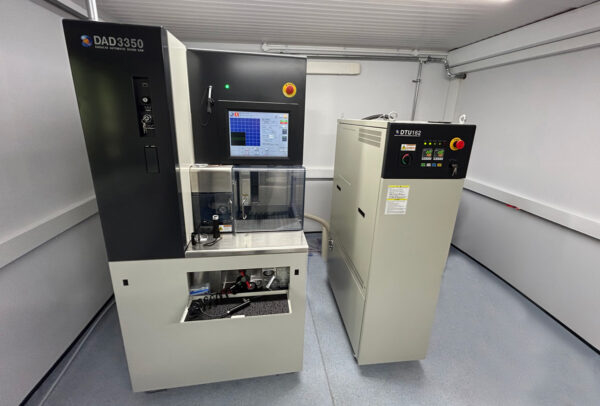
Measurement and data are becoming more important
As automation increases, so does the importance of measurement.
Production decisions are increasingly based on data rather than observation alone. Metrology provides the information needed to confirm that processes are working as intended and that components remain within tolerance.
This is no longer limited to final inspection. Measurement is being integrated at multiple stages, allowing performance to be tracked in real time.
The benefit is control. Instead of identifying issues once production is complete, it becomes possible to correct them as they develop. Over time, this builds a clearer picture of process stability, making it easier to spot trends and make adjustments earlier.
Balancing automation with process control
Introducing automation into optical manufacturing requires careful balance.
While automated systems can improve consistency, they still need to match the specific requirements of optical components. Not all processes can or should be automated in the same way.
Stages that rely on precision finishing or specialised handling continue to require a level of control that cannot be fully standardised. The role of automation is to support these processes rather than replace them.
This is where experience remains important. Decisions around where automation is applied, and how it’s controlled, have a direct impact on final quality.
Manufacturers that apply automation selectively tend to achieve better outcomes, maintaining flexibility while improving repeatability.
Sustainability is becoming a production requirement
Sustainability in manufacturing is moving beyond long-term reporting and into day-to-day production.
Reducing material waste and managing energy use are now part of how optical components are produced. These factors are becoming more important as customers place greater emphasis on environmental performance.
In many cases, improvements linked to sustainability also support efficiency. Less waste means better use of materials. More stable processes reduce rework. Improved control reduces unnecessary energy use.
At UQG, this approach sits alongside established quality management processes, ensuring that improvements in efficiency do not come at the expense of performance.
Material efficiency and waste reduction
One of the most direct ways sustainability is influencing production is through material use.
Optical components often require high-quality substrates, which makes waste both a financial and environmental cost. Reducing waste at each stage of production helps address both.
Better process control, supported by measurement and inspection, ensures components are more likely to remain within tolerance, reducing the need for rejection or rework.
Automation also plays a role here, as more consistent processes reduce the likelihood of errors. Over time, even small improvements in efficiency can have a significant impact, particularly across larger production volumes.
Compliance and transparency
As sustainability and regulation become more closely linked, compliance is becoming increasingly important. Standards such as RoHS and REACH compliance are now common requirements, particularly in regulated industries.
Manufacturers need to ensure that both materials and processes align with these expectations while also providing clear documentation.
Transparency is part of this. Customers care about the final component and how it has been produced.
UQG’s approach to quality management and certification supports this by providing traceability alongside manufacturing. This combination of compliance and visibility helps build trust.
What this means for optical manufacturing
Optical manufacturing is moving towards more controlled, data-led processes, supported by automation and shaped by sustainability requirements.
These changes build on traditional expertise rather than replacing it. Decision-making becomes more informed; processes are monitored more closely and outcomes become more predictable.
For customers, this results in more consistent quality, greater transparency and improved reliability over time.
If you are looking to understand how these developments could support your application, get in touch to discuss your requirements.